Lip Biting after Dental Treatment
What to do?
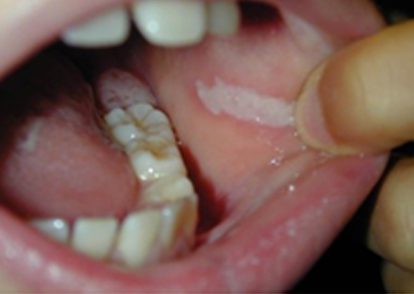
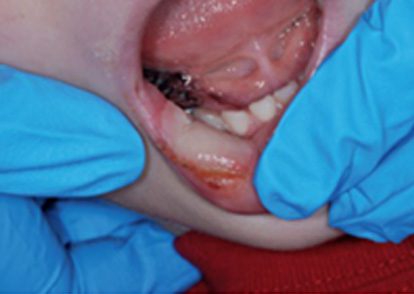
Dental procedures often involve the use of local anesthesia to keep your child pain-free. Depending on the type of local anesthesia, the numbness can linger for a few hours. It can be difficult for a child to know, or even feel if they are biting, scratching or picking at their lip, tongue or inside of their cheek. A lip bite can cause swelling, bleeding or ulceration that can be confused with an allergic reaction or infection. These usually heal quickly (without antibiotics) but can take up to a week or so. To avoid this scenario, please keep an eye on your child after local anesthesia is used. Remind children to be mindful of the area that is numb and avoid biting, scratching or picking at the area. If possible, avoid providing food while numb or at minimum, refrain from providing hard or crunchy food that will increase the chance of inadvertent biting. Refrain from hot food or drink as children will not be able to reliably feel temperatures. Typically, a tingling sensation will occur when the freezing wears off.
If your child has bitten their lip, tongue or cheek, you can provide the following for relief:
- Apply Ice packs for 3 days. 15 minutes on, 15 minutes off for 1 hour, 3 times a day. For children, popsicles can also be provided for relief
- Tylenol and Advil can be given as needed. Administer as per manufacturer’s directions-ensuring no allergies.
- Avoid foods that can irritate the area. Avoid salty, sweet, spicy, citrus, and tomato-based foods.
- Keep the area clean and maintain good oral hygiene. You may use warm saltwater rinses 2 to 4 times a day.
- Applications of over-the-counter ointments such as polysporin or oral gel can be used according to manufactures directions.